

About Us
Our mission, vision, values
Innovation comes from taking the old and giving it a new direction. Looking at Kombucha, we saw more than a beverage - we saw an untapped biomaterial. From that, we recognized the potential to use excess and discarded SCOBY - symbiotic culture of bacteria and yeast - to overhaul and transform the landscape of the exploitative industry of manufacturing paper from plant matter, which, according to the Environmental Protection Agency (EPA), accounts for 20% of all toxic air emissions in the U.S., as well as 5% of all toxic waste released into the air, water, and land in the U.S.
Not only is paper made from kombucha environmentally sustainable, it burns and tastes better too. Those who appreciate a high-quality flower deserve a paper that enhances the smoking experience, not diminishes it. After all, you wouldn’t want to drink a fine wine out of a plastic cup.
But the vision is bigger than rolling paper alone. Our passion is using biology, with a system-level mindset, to develop solutions that are not only eco-friendly, but eco-stimulating. Aiming to meet the environmental and material challenges of our time with solutions found in nature, The Kombucha Paper® marks the emergence of a revolution that spans closed-loop biomanufacturing and specialized tree-free paper. We want to leave the plants planted - exactly as they’re meant to be. Join us as we usher in the biomaterial revolution.
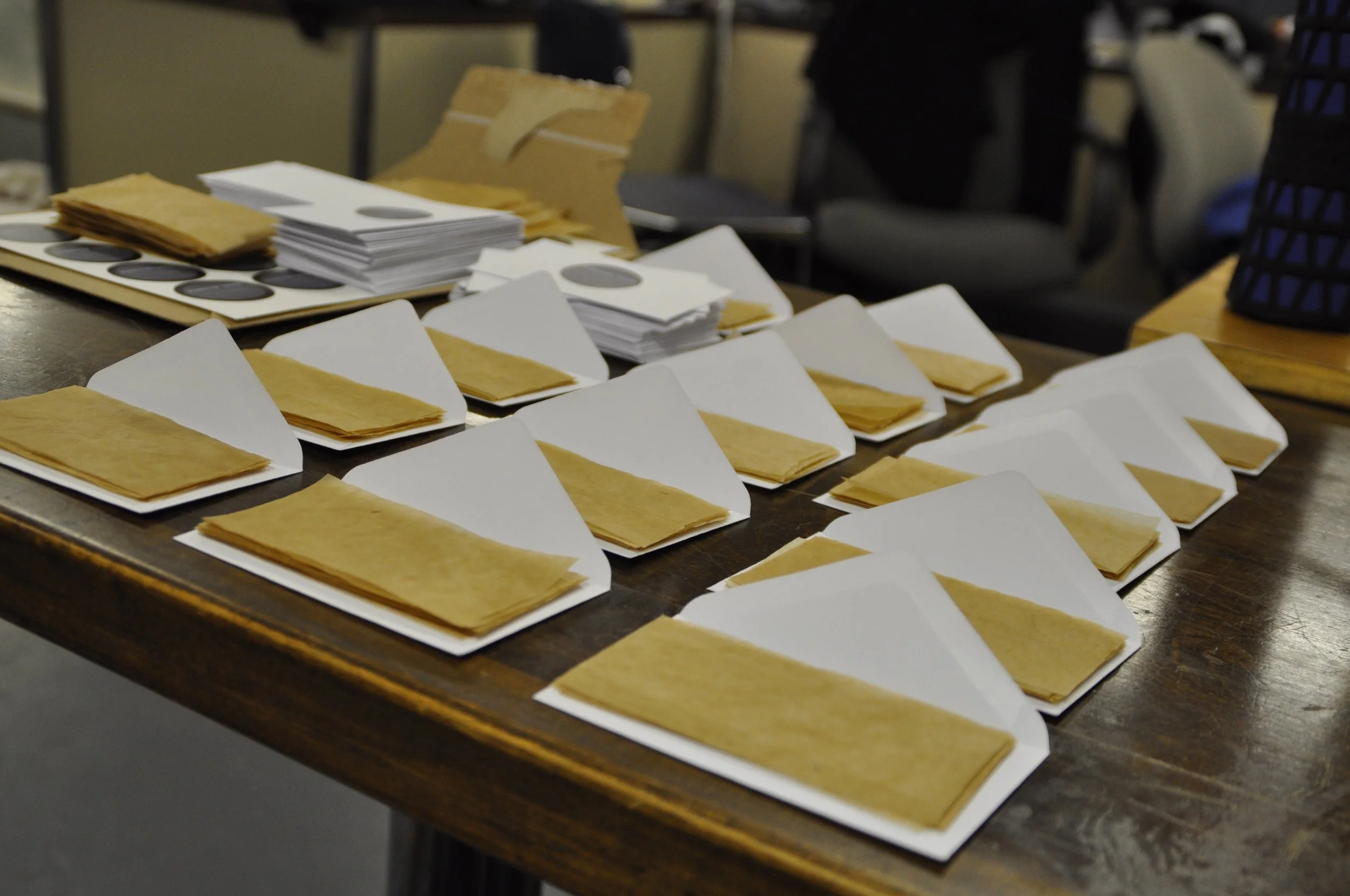
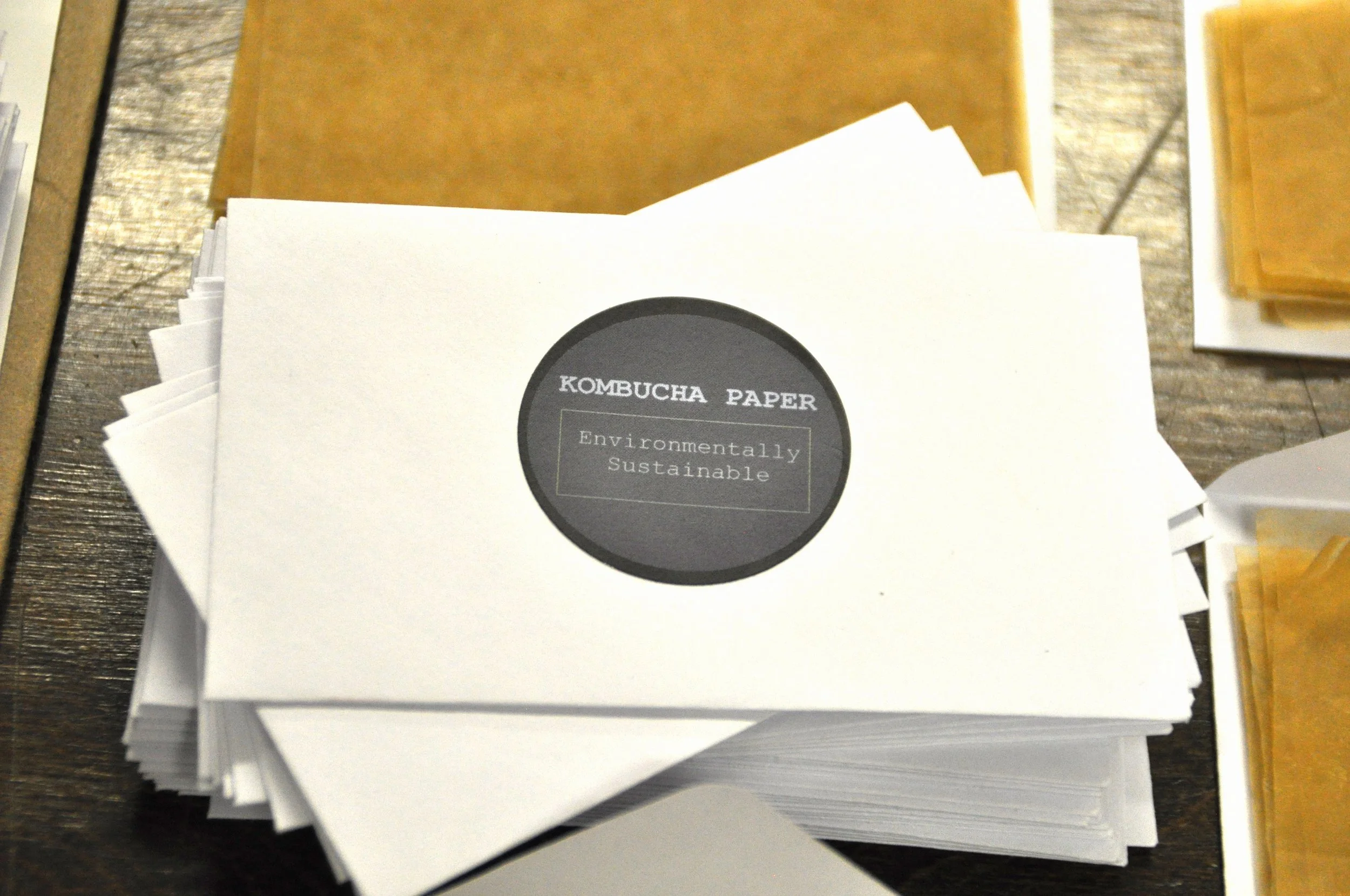
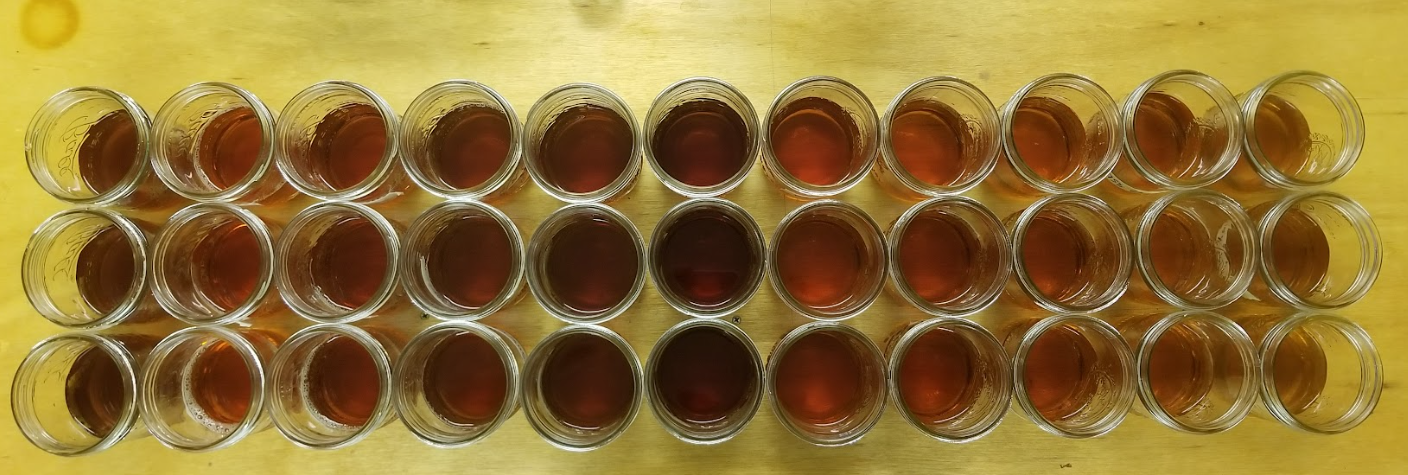
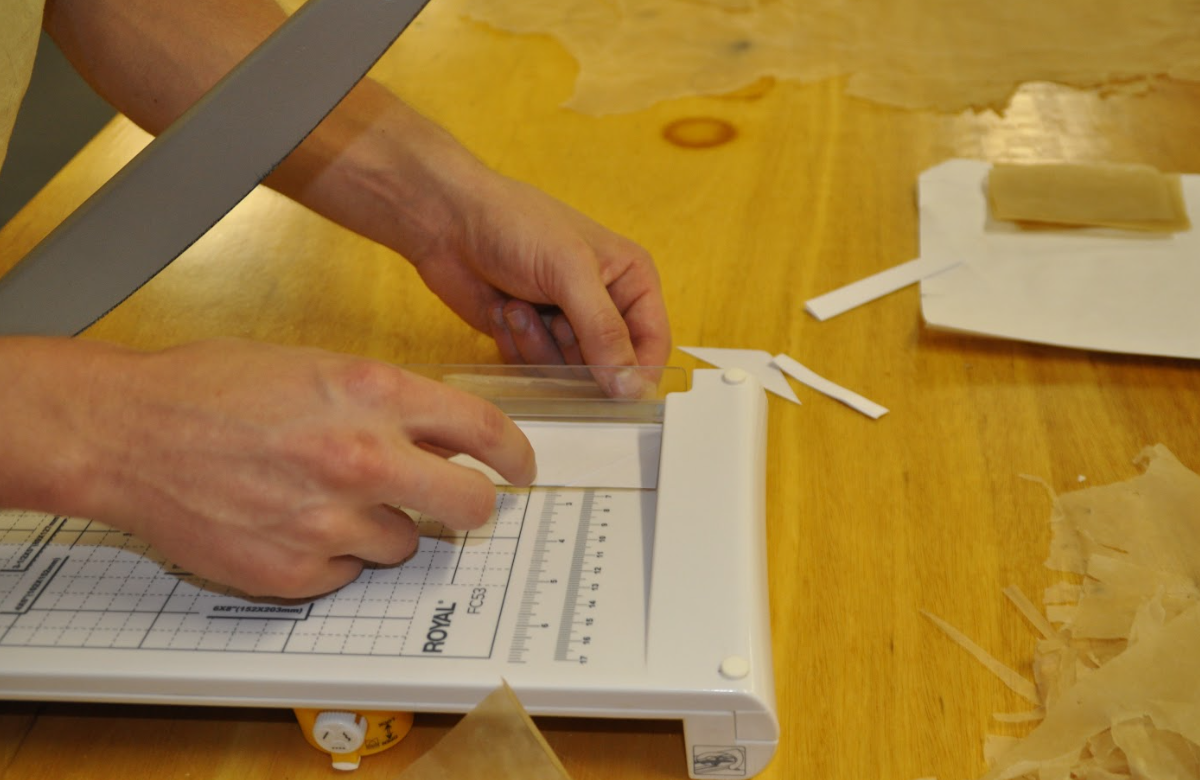
We’ve come a long way from brewing kombucha and sizing papers in an apartment
A Radical Departure
If Ford had asked the public what they were looking for in transportation, they would have responded “A faster horse.”
If we asked the public what they were looking for in the paper industry, they would respond “A more sustainably-managed forest.”
We’ve moved on from the age of horse and buggy.
We’ve moved on from using plants for paper.
We live in the age of biotechnology. Every time we use a sheet of paper, we must remember that it came from some plant matter that had to be harvested and processed for its cellulose. This plant matter had much better things it could be doing than unnecessarily being reduced to a paper product, such as converting our CO2 back into O2, cleaning our air, and positively impacting our weather systems - not to mention the obvious benefits that exist from maintaining the beauty and purity of nature that is attained simply by us human beings refraining from chopping down trees.
Instead of trying to marginally improve an industry that is infamous for its negative health and environmental consequences, it’s time to go back to the drawing board and shift our paradigm. Damage has been done, and there’s no turning back time. But we can look to the future and make sure that we don’t do any more. Every piece of paper that has ever been or ever will be manufactured from trees was done so at great cost to the planet. It does not need to be that way. With the emergence of paper sourced from kombucha, we’ve finally found a way to continue to create not only the same product, but a far superior one, with zero harm to the environment. Every step in the supply chain should be beneficial to the consumer and the environment.

The Material Revolution
While we’re incredibly excited to share our rolling papers and see them proliferated on a world-wide scale, The Kombucha Paper is just the start. Kombucha Biomaterials is a pillar of the bioeconomy. You might have heard of yeast that makes insulin, or companies that are making beef in petri dishes. These innovations are helping to transform the world from one of exploitative harvesting to one of generative growing. We are here to transform paper by growing our cellulose with microbes instead of harvesting it from plants. Microbial cellulose production is much cleaner, more efficient, and faster than other ways of cellulose production. Its long nano fibers provide superior strength when compared to other types of cellulose, which makes microbial cellulose paper stronger than traditional paper.
It is true that paper is cheap, but it is only through economies of scale that this is so. Additionally, its low prices do not negate all of the terrible environmental impacts its production creates, nor does it alleviate the detrimental health effects that smoking it causes. By achieving scale with a superior product, we aim to replace all plant-based paper in the market with sustainably-grown cellulose from microbes - a healthier and environmentally-stable alternative to traditional paper - which, ultimately, is part of our broader effort to revolutionize the way we produce all of our goods.