

About the Tech
What is Kombucha?
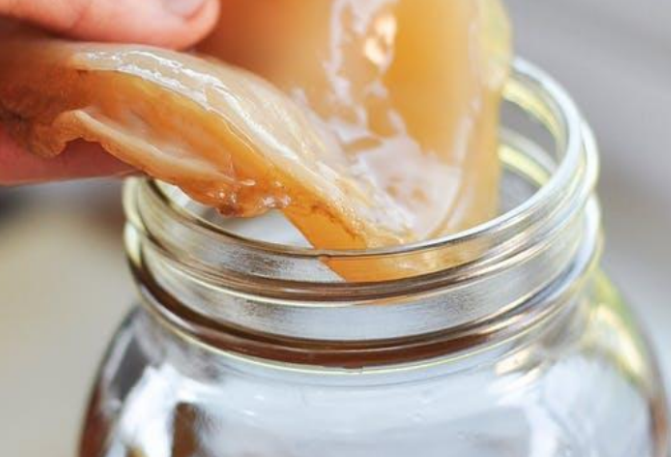
Kombucha is a probiotic, fermented tea originating from China’s Manchurian region around 2,000 years ago. Heralded for its health benefits such as aiding digestion and bolstering immune system performance, this ancient drink has garnered newfound interest in the modern western world. Another part of the drink’s beauty is in its simplicity - the ingredients comprise nothing more than sugar, water, and tea. During the fermentation process of the tea, a culture of bacteria and yeast converts nutrients in the tea and sugar into the end product that we know as kombucha. A byproduct of this process is what is commonly referred to as SCOBY - symbiotic culture of bacteria and yeast - which lives within a protective biofilm. As SCOBY continuously grows during the fermentation process, it needs to be continuously pruned. Those prunings are traditionally discarded afterwards - however, we saw the value in this raw material. We saw the potential to disrupt the entire paper industry, one whose profits come at great expense to Mother Earth, so we devised a way to convert SCOBY into paper. Kombucha, a revered health nectar, is the next revolution in paper.
What is SCOBY?
SCOBY is an acronym standing for Symbiotic Culture of Bacteria and Yeast, and it produces a cellulose biofilm during kombucha fermentation. Kombucha is a rich symphony of microorganisms that have formed mutually beneficial relationships, and the SCOBY it makes is a perfect and ideal ecosystem. SCOBY has inspired us to question and re-approach human beings’ relationship with the natural world.
Cellulose: Plants vs. Kombucha
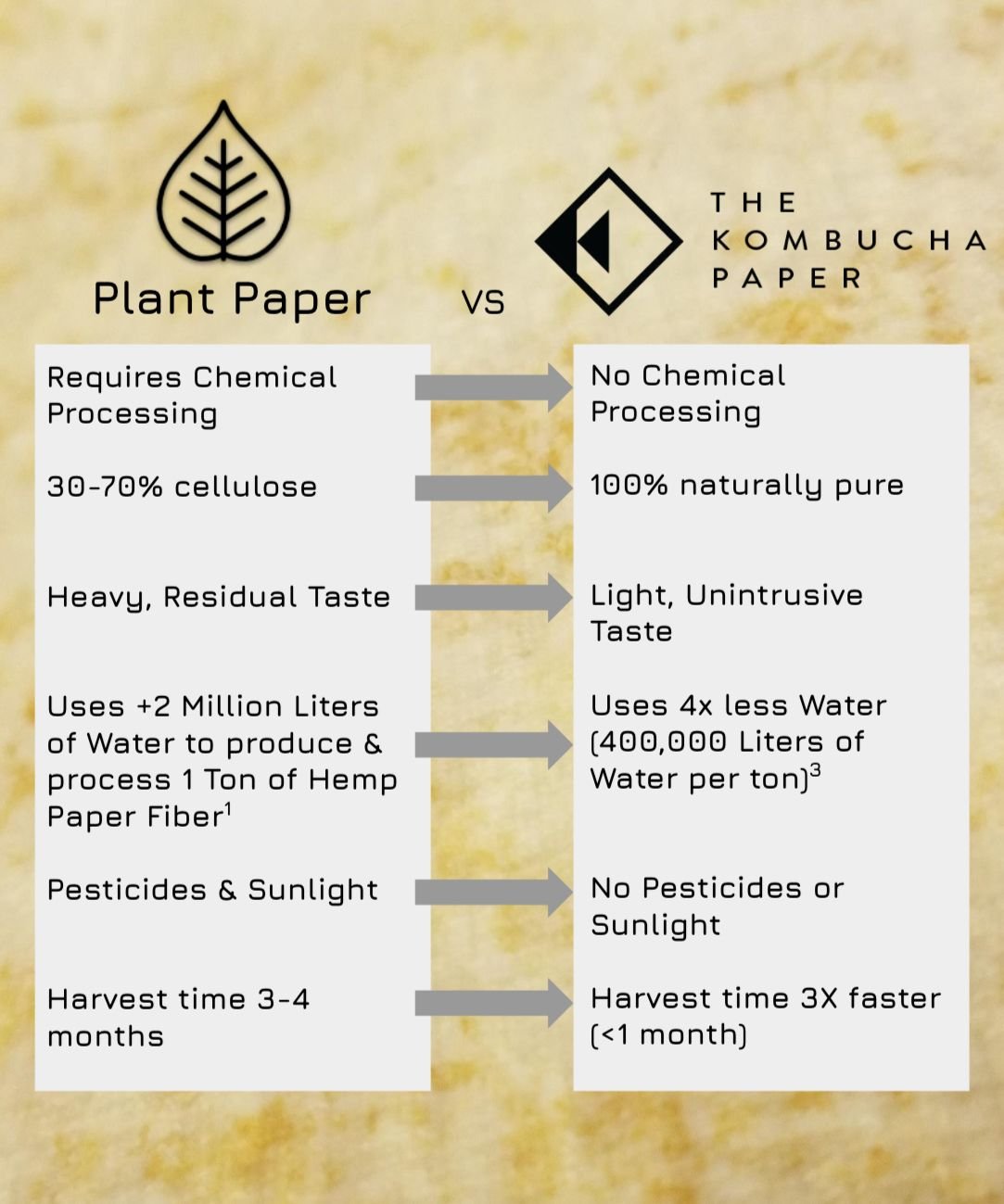
Cellulose is the main ingredient in paper. Trees and hemp contain only around 30%-70% cellulose. Isolating the cellulose to make paper requires heavy chemical, heat, and mechanical processes that use chemicals such as chlorine, hydrogen sulfide, mercury, ammonia, and chloroform.
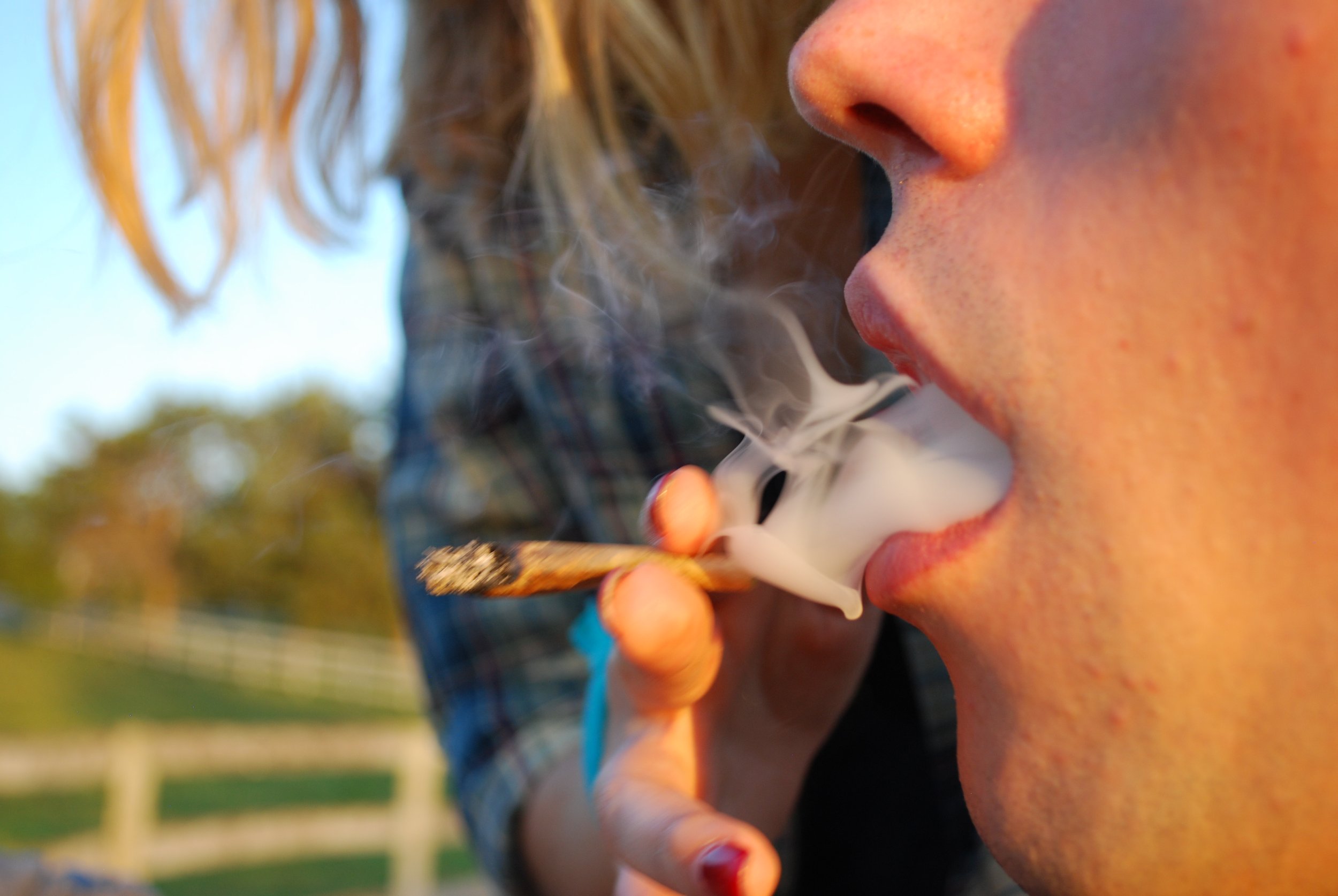
Our SCOBY is made from Water, Tea, and Sugar. Once relieved of all microorganisms through an entirely natural process, the SCOBY is 100% pure cellulose. No chemical processing means we create another perfect ecosystem where our relationship with nature is in pure harmony. 100% natural flowers are smoked by way of a 100% naturally-produced paper.
Why Kombucha for Paper?
Kombucha SCOBY is an interwoven mesh of high purity nanocrystalline cellulose fibers. Unlike plant-based fibers, we don’t use harsh chemical treatment, nor high-energy mechanical treatment, to process cellulose to make paper. No chemicals means no environmental pollution and no residual chemicals in your paper. This makes our kombucha paper not only environmentally friendly, but results in a more subtle taste. Additionally, SCOBY nanocellulose fibers are 100x thinner than plant fibers, which means that the highly interwoven network has extremely low porosity - that is to say, there are much less holes or breaks in kombucha paper than there are in traditional rolling papers. This exceptionally low porous makeup creates multiple unique benefits; first, the amount of air that the paper lets through is extremely low, which results in a slower burning paper. It does not stop there though - because of the lack of airflow, when a user stops inhaling, the end stops burning. So no more wasted product in between puffs or passes. In addition, kombucha rolling papers are water resistant; no puddle or rainstorm will ruin a smoke. If they get wet, your product inside will remain safe and dry, and the papers will simply need to dry off to be used again.
However, our innovation not only helps the environment or the consumer; we also help kombucha companies enter into the circular economy by partnering with them to use their SCOBY, which would otherwise be discarded or composted. Another perfect ecosystem.
Our Responsibility
As Consumers, Human Beings, and Inhabitants of Planet Earth
Pause for a moment and think of all the ways you interact with paper every day. The receipt from a restaurant after a date. The packaging you receive after binge shopping on Amazon. The postcard you get from your grandparents during their annual trip to Jacksonville. Paper is undeniably ubiquitous, and yet, we hardly think of it at all. It can safely be said that it is one of the staples of our civilization.
Unfortunately, the reality of that receipt, packaging, and postcard is that paper production is one of the dirtiest and most energy-intensive industries in the world. Typical paper production involves extracting cellulose from harvested trees and plants. However, plants are not pure cellulose; on average, they contain only around 30%-70%. Breaking down the undesired plant matter - referred to as pulping - requires an intensive process with harsh chemicals that often end up in the paper we consume, as well as in our water systems, soil, and atmosphere. According to the Environmental Protection Agency (EPA), the pulp and paper industry is responsible for 20% of all toxic air emissions in the U.S., as well as 5% of all toxic waste released into the air, water, and land in the country. While major strides have been made to mitigate pollution resulting from these industries, the sad truth is that the chemical makeup of trees and plants means that producing paper from them will always result in some form of toxic pollution to the environment, as well as a residual, if not large, amount of toxic chemicals left in the final paper product that we inhale into our lungs.
These chemicals can cause wide-ranging diseases and indications, including gastritis, chronic bronchitis, dermatitis, emphysema, cancer, congenital conditions, and neurological damage.
It’s our responsibility as global citizens to move away from industry practices that harm our environment and our neighbors, as well as our neighbors’ neighbors, not to mention ourselves. The Kombucha Paper® is our opportunity to revolutionize these practices.

As citizens of this planet, we hold an inherent obligation to the world that, for better or worse, we were tasked with taking care of. It is not only our responsibility to be caretakers of Earth, but it is our duty, our sacred role, and, until recently, our unspoken commitment - if we, as conscious consumers, cannot stand and make a change, then who will? It is in the same vein as the sentiments of the age-old verses; love thy neighbor; be kind to the less fortunate; speak for those who cannot speak for themselves. By embarking with us on our journey to not only provide a healthy and natural alternative to traditional rolling papers, but also to take it upon ourselves to do our part to help our neighbor, fulfill our conscientious responsibility for those who cannot, and to take actionable account on behalf of those who might otherwise not - we are marking a turning point in history, declaring an indelible notch in the undeniable progression of our humanity, and forging forward with an unmistakable and loud declaration of “I can be better!” and an accompanying proclamation of “I will DO better!” The next revolution is upon us, and we are the kindling; before there was paper, there was papyrus, clay, wax, and stone upon which we relied for paper-esque material. When these showed signs of antiquation, paper borne of trees was the next iteration, and it served us well for thousands of years, right through the Bronze and Iron Age, the Middle Ages, and the Industrial Revolution, and until now - The Kombucha Paper is the next step, the next evolution in the progression of paper products. And it is now, more than ever in the age of health-conscious consumerism and conscious consumption, that we must draw a line in the sand with what we are willing, and unwilling, to do.
Water Pollutants:
Sodium HydroxideSodium SulfideDioxinLigninsAlcoholsChloratesHeavy metalsChelating agentsBleaching agentsOrganochlorinePollutants from the paper industry end up in our air and in our water
Air Pollutants:
Hydrogen sulfideMethyl mercaptanDimethyl sulfideDimethyl DisulfideNitrogen OxidesSulfur Oxides Carbon Monoxide AmmoniaMercury Nitrates Benzene The benefits are too obvious to ignore. Why not sit back, revel in the way that plants were meant to be enjoyed - 100% healthily and naturally - and rest easy knowing that, in an incredibly and massively important way, you are doing your part to save your lungs, your body, and this planet.

Let’s keep our trees and plants the way they were meant to be - planted